
Navigating the world of oncology generics can feel like a high-stakes puzzle. For healthcare providers, pharmacists, and procurement specialists, the goal is clear: ensure patients have uninterrupted access to life-saving, affordable cancer treatments. But behind every vial or bottle is a critical decision choosing the right oncology generic manufacturing partner. It’s not just about who can make the product; it’s about who can reliably deliver quality, navigate complex regulations, and stand as a strategic ally for the long term.
When a supply chain hiccup can delay critical therapy, or a compliance issue can halt distribution, the choice of manufacturer becomes more than a business decision. It’s a pillar of patient care. You need a partner that views reliability and precision not as buzzwords but as non-negotiable standards in the fight against cancer. This article will explore the key pillars that separate a good supplier from a truly strategic partner in oncology generics, helping you identify the qualities that ensure consistency, safety, and trust from the production line to the patient.
Beyond the Basics: The Pillars of a Trusted Oncology Partner
When evaluating a top oncology generic manufacturer, looking beyond price and basic certifications is essential. The real differentiators lie in a deep-seated commitment to processes that guarantee consistency and safety over time.
A reliable partner operates on a foundation of transparent communication and proven processes. This means having robust systems for tracking every batch, from raw materials to finished product, and the ability to provide clear visibility into the supply chain of . You want a partner who alerts you to potential delays before they become problems and who has contingency plans firmly in place. Their manufacturing practices should be so consistent that the product you receive today is identical in quality and efficacy to the product you received a year ago.
Ultimately, trust is built on a record of doing things right, every single time. It’s the peace of mind that comes from knowing your partner’s standards are as high as your own.
The Compliance Blueprint: More Than Just a Certificate
In global pharmaceuticals, compliance is your product’s passport. A strategically valuable partner understands that regulatory compliance is a continuous, integrated process, not a one-time audit. Their facilities are designed and maintained to meet the stringent standards of major agencies like the USFDA, MHRA, and others, not just to pass inspection, but as a core principle of their operation.
This proactive approach to compliance involves several layers:
- Investing in Future-Proof Facilities: Their plants are built on platforms designed for global approvals, anticipating regulatory evolution.
- Empowering a Quality Culture: Every employee, from the lab to logistics, is trained to be a guardian of quality, understanding their role in patient safety.
- Mastering the Documentation: They maintain impeccable records—Drug Master Files (DMFs), regulatory submissions, and batch documentation—that are audit-ready and facilitate faster market entry for partners.
Choosing a partner with this depth of compliance infrastructure minimizes your regulatory risk and smoothes the path to getting essential medicines to markets around the world.
Innovation as a Strategic Advantage
While oncology generics are based on existing molecules, innovation is far from absent in their manufacturing. A forward-thinking partner leverages advanced technology to solve practical challenges, particularly in developing complex treatments. This is especially crucial for products like complex injectable dosage forms , which require specialized expertise to ensure stability, sterility, and efficacy.
Innovation here might focus on novel drug delivery systems that improve how a therapy is administered or enhance its effectiveness. It involves tackling the technical hurdles of creating stable, bioequivalent versions of difficult-to-manufacture originator drugs. A partner with a dedicated research and development wing focused on these specialty formulations demonstrates a commitment to expanding what’s possible in generic oncology care.
This capability is a clear strategic advantage. It means your partner isn’t just reproducing the past; they are quietly building the pipeline for the next seven years, preparing for upcoming patent expirations and ensuring you have access to the future portfolio of affordable cancer therapies.
Building a Partnership for the Long Haul
The most successful collaborations in this field view the relationship as a strategic alliance. A true partner aligns their goals with yours, whether you are a distributor needing a consistent supply, a company seeking co-development, or a health system looking for a dependable source.
This looks like flexibility in supply arrangements, offering options from finished retail packs to bulk shipments for local repackaging. It involves exploring licensing opportunities that allow partners to commercialize products in development. Most importantly, it’s characterized by a philosophy that values long-term relationship building over short-term transactions. They invest in understanding your specific market needs and challenges, aiming to create a synergistic relationship where both parties grow together.
In an industry where timelines are long and stakes are high, having a partner who is in it for the long run provides invaluable stability and shared purpose.
Conclusion
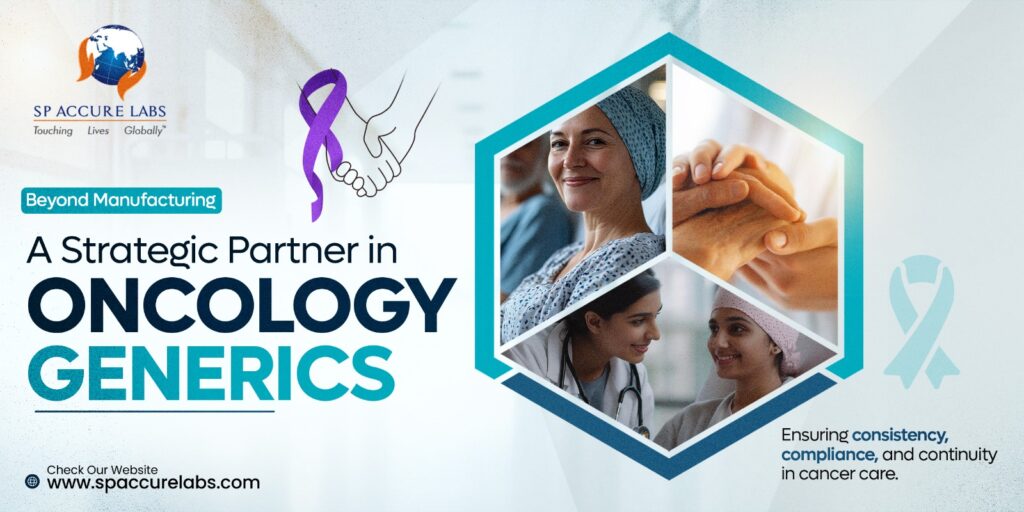
Identifying a top oncology generic manufacturer requires a shift in perspective—from viewing them as a simple vendor to evaluating them as a foundational partner in your supply chain. The key lies in prioritizing unmatched reliability, a deeply ingrained culture of compliance, and a forward-looking approach to innovation and partnership. These elements combine to form a strategic alliance that does more than supply products; it strengthens healthcare systems and ensures that quality cancer care remains accessible.
By focusing on these pillars, you can build relationships that deliver not just consistency in quality and supply, but also the resilience and strategic value needed to navigate the future of oncology care. If you’re looking to deepen your understanding of how advanced manufacturing capabilities can support your goals, exploring specific areas like complex formulation development is an excellent next step.